What Are the Top Transport Vehicles for 2026?
The landscape of transport vehicles is set to experience significant changes by 2026. As industries evolve, the demand for innovative and sustainable transport solutions is on the rise. According to a recent report by the International Transport Forum, electric vehicles could comprise up to 40% of new vehicle sales by 2026. This shift not only reflects consumer preferences but also addresses environmental concerns.
Expert in transport technology, Dr. Emily Zhao, emphasizes the importance of adaptation: "Transport vehicles must innovate to meet future challenges." She highlights that advancements in automation and electrification are crucial. Additionally, the integration of smart technologies will redefine how goods and people move.
However, challenges persist. Infrastructure adaptation is lagging behind expectations. Cities must invest in renewal to support new transport vehicles. Failure to do so may hinder progress. With increasing urbanization, the gap between demand and supply continues to widen.
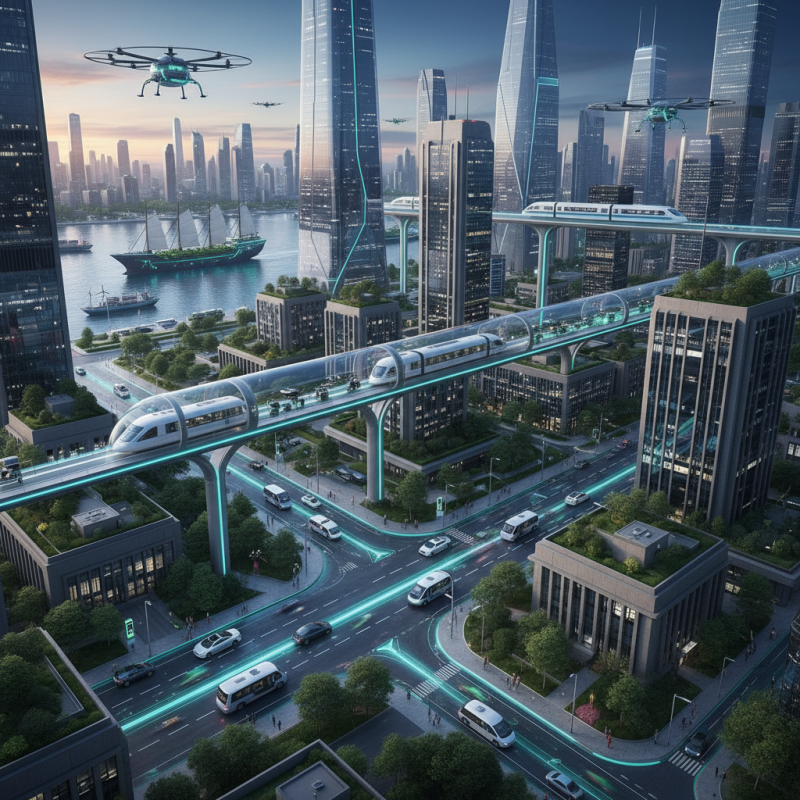
Emerging Electric Vehicles: Leading the Transport Revolution in 2026
The transport landscape is changing rapidly. Emerging electric vehicles (EVs) are at the forefront of this shift. In 2026, these vehicles promise not only efficiency but also a commitment to sustainability. Cities are adapting. Charging stations become common in urban areas. People increasingly opt for EVs over traditional cars. The road to a greener future is paved with innovation.
Tip: Consider local regulations when planning your EV purchase. Different regions have unique incentives. These benefits can reduce overall costs. Research thoroughly to maximize savings.
Electric vehicles vary greatly. Some are compact, ideal for city driving. Others are designed for longer journeys with advanced battery technology. However, the charging infrastructure can be spotty. This inconsistency needs addressing as many consumers may hesitate. It's essential to weigh options carefully.
Tip: Monitor battery health regularly. Proper maintenance can extend lifespan. This attention ensures your vehicle remains reliable and effective.
Autonomous Vehicles: How AI is Shaping Future Mobility Solutions
As we look towards 2026, the role of autonomous vehicles in transportation is becoming more pronounced. AI technology is reshaping how we understand mobility. These vehicles are designed to navigate complex environments without human input. They use sensors and algorithms to make decisions in real-time. Imagine a city street filled with self-driving cars, communicating with each other seamlessly. This innovative approach has the potential to reduce traffic congestion and increase safety.
Yet, the transition to fully autonomous transport is not without challenges. There are concerns about job displacement for drivers. Ethical questions arise regarding decision-making in critical situations. What if a vehicle must choose between two unfortunate outcomes? These considerations need thorough exploration. Additionally, the technology must become more reliable before widespread adoption occurs.
Infrastructure is another crucial aspect. Current road systems may not support these vehicles effectively. Upgrades and modifications will be essential for integration. Public perception also plays a significant role. Some individuals feel uneasy about relinquishing control. As we push forward, open dialogues and reflections on these issues are vital. The evolution of mobility is exciting, yet complex.
Public Transport Innovations: Elevating Urban Transit Systems by 2026
As cities grow, public transport must evolve. By 2026, urban transit systems will undergo significant innovations. In many places, electric buses will become common. These buses reduce emissions and improve air quality. They are quiet and efficient, offering smoother rides. However, the infrastructure needs upgrades. Charging stations will be essential but may not be in place everywhere.
Another innovation is the integration of technology. Real-time tracking apps help passengers plan better. They check arrival times and avoid long waits. Yet, digital divides still exist. Not everyone has access to smartphones or the internet. This issue needs addressing to ensure equity in transit access.
Lastly, the rise of autonomous vehicles could change the landscape. They promise to enhance safety and efficiency. However, safety concerns must be prioritized. Public acceptance is still low. People fear the unknown. Balancing technology and human trust will be critical. The journey towards smarter urban transport requires patience and collaboration.
Sustainable Shipping Solutions: Trends in Eco-Friendly Transport Options
As we move toward 2026, the transport industry is shifting its focus to sustainability. Eco-friendly solutions are increasingly crucial. Electric vehicles, hydrogen-powered ships, and biofuel options are gaining traction. These innovations promise lower emissions and reduced reliance on fossil fuels.
However, not all solutions are perfect. Electric vehicles may struggle with battery disposal issues. Hydrogen technology remains expensive and less accessible. Biofuels, while greener, often compete with food sources, raising ethical concerns. This ongoing journey toward sustainable transport highlights the balance between progress and responsibility. We must re-evaluate our choices constantly.
The future transport landscape will likely involve diverse options. Combining technology and creativity will help address these challenges. Localized solutions could cater to specific environmental needs. Ultimately, innovation must ensure that our transport systems do not come at the planet's expense.
Flying Cars and Drones: The Next Frontier in Personal and Freight Transport
The future of personal and freight transport is on the brink of a revolution. Flying cars and drones could redefine how we move in urban areas. Imagine gliding through the air, bypassing traffic jams and slicing through the clouds. For many, this is not science fiction; it is a possibility that is becoming more tangible every day.
Drones are making their way into logistics and delivery systems. They can quickly transport goods over difficult terrain, saving time and resources. However, there are challenges. Urban air traffic management needs improvements to accommodate this new mode. Safety protocols must be refined, and regulations need to be established. What happens if a drone malfunction occurs? The existing infrastructure is not fully prepared for such scenarios.
Flying cars present exciting prospects but come with issues. Technical specifications must ensure they are safe for everyday use. Public acceptance will also be a hurdle. Some may fear the noise or accidents that could occur. As society advances, we face questions about accessibility. Will these innovations be available to everyone or only a select few? Addressing these concerns is crucial for a seamless transition into the next frontier of transport.
What Are the Top Transport Vehicles for 2026?
This chart illustrates the projected number of units sold for various transport vehicles in 2026, highlighting the rise of flying cars and drones as key players in the transport market.
