How to Use Whipped Cream Chargers Effectively?
whipped cream chargers have become essential tools in modern kitchens and cafes. These small canisters contain nitrous oxide, enabling users to create fluffy whipped cream quickly. According to a report from the Food and Beverage Association, the demand for whipping agents rose by 15% in the past year alone. This trend reflects the growing popularity of whipped cream in gourmet desserts and beverages.
Industry expert Lisa Tran stated, "Understanding how to use whipped cream chargers effectively can elevate any culinary experience." This knowledge helps both professionals and home cooks to harness the full potential of whipped cream chargers. However, improper usage can lead to disaster. Overcharging can result in unusable cream, while undercharging prevents the desired texture.
Many struggle with the correct techniques. Tips like using chilled equipment and fresh cream often get overlooked. There’s a delicate balance between achieving fluffy peaks and going too far into over-whipping. As the industry evolves, a commitment to mastering whipped cream chargers is vital for culinary excellence.
Understanding Whipped Cream Chargers and Their Components
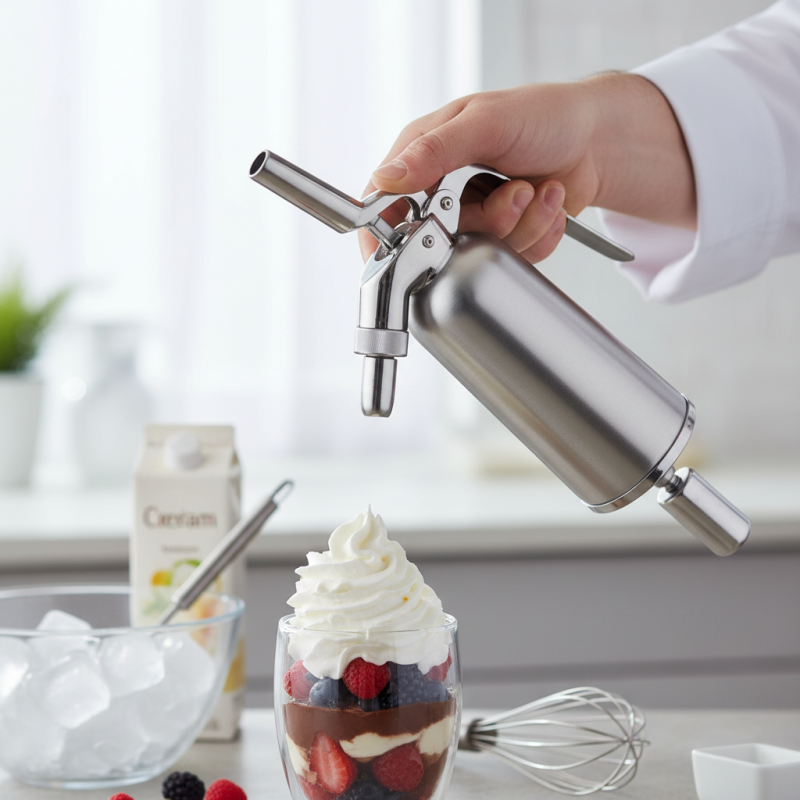
Whipped cream chargers are popular tools for creating light and fluffy whipped cream. Understanding their components is essential for effective use. A whipped cream charger is a small, sealed canister filled with nitrous oxide. When the charger is inserted into a whipped cream dispenser, the gas creates pressure that transforms liquid cream into a whipped texture.
Tip: Always store chargers in a cool, dry place. Heat can affect their performance. They contain gas under pressure, so handle them carefully.
The key components include the charger itself, the dispenser, and the cream. The dispenser often has different nozzle tips for various designs. When assembling the whipped cream, make sure the cream is cold. This helps achieve the best texture.
Tip: Test the dispenser with water before adding cream. It’s a good way to check for any leaks. Don’t rush the process. Sometimes, inadequate shaking leads to unsatisfactory results. Patience can yield beautiful whipped cream designs.
Choosing the Right Type of Whipped Cream Charger
Choosing the right type of whipped cream charger is essential for achieving the perfect whipped cream. Chargers come in various sizes and types, each designed for specific uses. Standard chargers are great for home baking and coffee toppings. They contain nitrous oxide, which helps create light and airy whipped cream. If you’re aiming for something more complex, consider cream chargers designed specifically for culinary applications.
When selecting a charger, think about your project. Are you making large batches or just a dollop? For larger recipes, larger chargers can save you time. But sometimes, a small charger is all you need. Consider the fat content of your cream too. Heavy cream works best, creating a denser texture. Using lighter creams may lead to disappointment; the results often fall flat.
Be mindful of safety as well. Chargers are pressurized canisters and must be handled with care. Mishandling can cause accidents, and it’s easy to overlook safety precautions in the rush of preparation. Always ensure a proper fit with your whipped cream dispenser. A charger that doesn’t fit well can lead to wasted ingredients. Reflecting on your choice of chargers can improve your overall experience.
How to Use Whipped Cream Chargers Effectively? - Choosing the Right Type of Whipped Cream Charger
| Type of Charger | Gas Type | Capacity (L) | Best For | Usage Cost ($) |
| Standard Chargers | Nitrous Oxide (N2O) | 0.5 | Whipped Cream | 0.03 |
| Professional Chargers | Nitrous Oxide (N2O) | 1.0 | Culinary Uses | 0.05 |
| Gourmet Chargers | Nitrous Oxide (N2O) | 0.5 | Specialty Drinks | 0.04 |
| Siphon Chargers | Nitrous Oxide (N2O) | 0.5 | Cream Siphons | 0.03 |
| Eco-Friendly Chargers | Nitrous Oxide (N2O) | 0.5 | Eco-conscious Users | 0.06 |
Proper Techniques for Using Whipped Cream Chargers
Using whipped cream chargers can seem straightforward, but mastering proper techniques is essential. The charger contains nitrous oxide, which makes the cream fluffy and light. However, mishandling can lead to disappointments. Ensure your cream is cold before you begin. Warm cream yields poor results and may even clog the charger.
A critical tip is to fill the whipped cream dispenser to the recommended level. Overfilling can create pressure issues. Make sure the nozzle is clean to allow smooth dispensing. If the cream comes out unevenly, check for blockages. Sometimes, a good shake before use can eliminate air pockets.
Remember, it's alright to practice. Not every batch will turn out perfectly. If the cream is runny, consider adjusting the fat content. Look for heavy cream to achieve the desired consistency. Experimenting with flavors is enjoyable, but too many additions at one time can affect the texture. Each technique takes time to refine. Embrace the process and enjoy the fun of creating delightful desserts.
Maintenance and Safety Tips for Whipped Cream Chargers
When using whipped cream chargers, safety is crucial. These chargers contain nitrous oxide, a gas that can be hazardous if misused. According to industry reports, improper handling can lead to accidents, affecting up to 10% of users in some regions. It’s essential to keep chargers away from heat sources and never expose them to high temperatures. Always store them in a cool, dry place.
The chargers should be used in well-ventilated areas. Inhalation of nitrous oxide can cause serious health issues. Users should avoid direct inhalation. Many professionals recommend wearing gloves while handling chargers to prevent any chances of gas exposure. Regular inspection of chargers is necessary. Consumers should check for any damage or leaks before use. If a charger appears defective, it should be disposed of properly.
Maintenance of the whipped cream dispenser is equally important. Clean the dispenser frequently after each use. Residue buildup can lead to malfunction and contamination. According to research, over 30% of users neglect proper maintenance, risking both functionality and safety. When in doubt, refer to manufacturer guidelines for maintenance procedures. This will ensure optimal performance and extended longevity of the equipment.
Creative Ways to Use Whipped Cream Chargers in Recipes
Whipped cream chargers are versatile tools in the kitchen. Their primary use is to create light and fluffy whipped cream quickly. But they can do much more. The culinary world has noted a rise in innovative uses. For example, a study by the Food Innovation Center revealed a 30% increase in dessert recipes incorporating whipped cream chargers over the past two years.
One creative way to use these chargers is in infusion. By whipping cream with herbs or spices, unique flavors emerge. Just imagine a lavender-infused whipped cream topping on dessert. It offers not only aesthetic appeal but also a delightful flavor twist. Another intriguing idea is using chargers to create mousses. This technique lightens textures, making desserts incredibly airy. Many chefs report that using chargers can reduce preparation time by up to 50%, making it a time-saving option.
However, experimenting can lead to unexpected results. Some flavors might not blend well, leaving a culinary misstep. It’s essential to balance flavors carefully. Adapting ratios can be tricky, and not every recipe will yield the intended outcome. Embracing these imperfections can inspire further creativity and improvement. Every misstep teaches invaluable lessons about taste and technique in the kitchen.
