How to Choose the Best Window and Door for Your Home?
Choosing the right window and door for your home is crucial. It impacts aesthetics, insulation, and energy efficiency. Expert Sarah Johnson, a renowned figure in the Window & Door industry, once said, “Windows and doors are the eyes and doors of your home, reflecting both style and function.” Her words underscore the importance of making informed choices.
When selecting windows and doors, consider the material. Wood, vinyl, and fiberglass each have unique benefits. For instance, wood offers warmth but may require more maintenance. Remember to think about the style that matches your home. Modern, traditional, or somewhere in between? It should feel cohesive, yet distinct.
Don't forget energy efficiency. High-quality windows and doors can lower utility bills. However, cost should not be the only factor. A poor choice can lead to drafts and higher long-term expenses. Reflect on the balance of cost, style, and quality. The right window and door can transform your home, but make sure to take time in your decision-making process.
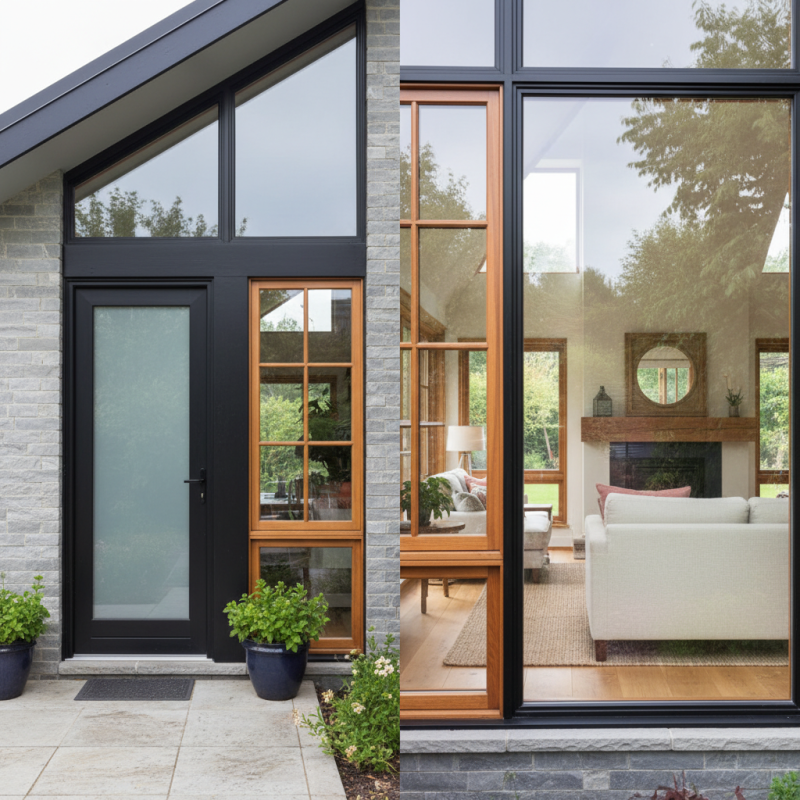
Factors to Consider When Selecting Windows and Doors for Your Home
When selecting windows and doors for your home, several key factors play a crucial role. Consider energy efficiency first. High-quality materials can enhance insulation. Look for options that have good thermal ratings. Windows that keep your home warm in winter and cool in summer can lower energy bills significantly.
Security is another important aspect to weigh. Choose windows and doors with sturdy locks and durable materials. Consider how easy they are to operate. Complex mechanisms might seem secure but can frustrate day-to-day use. Also, think about visibility; large windows can bring in natural light, but privacy is essential too.
Aesthetic appeal shouldn't be overlooked. The style of your windows and doors should complement your home. There’s a balance between beauty and function. Sometimes, what looks good isn’t practical. Be sure to evaluate the long-term maintenance needs. Some materials require more upkeep than others. It's critical to find an option that can withstand your local weather conditions.
How to Choose the Best Window and Door for Your Home? - Factors to Consider When Selecting Windows and Doors for Your Home
| Factor | Details | Importance | Recommendation |
| Energy Efficiency | Look for windows and doors with high R-values and low U-values to reduce energy costs. | High | Choose ENERGY STAR rated products. |
| Material Type | Common materials include vinyl, wood, aluminum, and fiberglass, each with pros and cons. | Medium | Consider the climate and maintenance level when choosing materials. |
| Style and Design | Ensure that the windows and doors complement the architectural style of your home. | High | Choose designs that offer aesthetics and functionality. |
| Security Features | Look for products that have multi-point locking systems and impact-resistant glass. | High | Consider products with enhanced security ratings. |
| Cost | Factor in both initial costs and long-term energy savings. | Medium | Set a budget but balance cost with quality and performance. |
| Installation | Proper installation is crucial for performance and warranty validity. | High | Hire certified professionals for installation. |
Understanding Different Types of Windows and Their Features
Choosing the right windows for your home is essential. With various types of windows available, it’s important to understand their features. For example, double-hung windows allow for easy ventilation. They can slide up and down for better air circulation. Statistics show that homes with energy-efficient windows can save up to 25% on heating and cooling costs. This makes them a smart investment.
When selecting windows, consider their materials. Vinyl windows are popular due to their low maintenance and durability. Wood windows provide timeless beauty but require more upkeep. Additionally, fiberglass windows offer excellent insulation. Each material has its pros and cons. Keep in mind, aesthetics matter too. The window style should match your home's architecture.
Tip: Always check for energy ratings. Windows with good ratings can significantly reduce your utility bills.
Another aspect to consider is the glass type. Low-E glass reflects heat and UV rays, enhancing energy efficiency. Furthermore, tempered glass offers extra security and durability. However, not all glass types are suitable for every climate. Reflecting on different needs is crucial when deciding.
Tip: Ask yourself how much light and privacy you need. Balancing these factors can narrow your choices significantly.
Comparison of Different Window Types by Energy Efficiency
This chart illustrates the energy efficiency ratings of various window types commonly used in residential settings. Each type is evaluated based on its overall performance, factoring in insulation, UV protection, and air leakage.
Exploring Various Door Styles and Materials
When selecting doors, style and material matter greatly. Wooden doors offer a classic look. They can be painted or stained to match any décor. However, wood requires maintenance to prevent warping. If you're not diligent, it can degrade over time.
Fiberglass doors are durable and energy-efficient. They mimic the look of wood but don’t need much upkeep. This option might feel less authentic for some homeowners.
Metal doors provide security and can be stylish too. Yet, they can rust if not properly coated.
Glass doors invite natural light. They create an open feel but may raise privacy concerns. You’ll need to weigh these factors before choosing. Each style has its benefits and drawbacks. Ultimately, the right door reflects your needs and lifestyle.
Evaluating Energy Efficiency Ratings for Windows and Doors
When choosing windows and doors, energy efficiency ratings are crucial. These ratings often show how well a product insulates. They impact your home's comfort and energy costs. Look for the Energy Star label. It indicates better energy performance. But not all products with this label are equally efficient.
Consider the U-factor, which measures heat transfer. A lower U-factor means better insulation. In colder climates, look for low U-factor windows. In warmer areas, the Solar Heat Gain Coefficient matters. This rating tells you how much heat enters your home from sunlight. Some glazed options can reduce overheating.
Reflect on your specific needs. Not all homes are the same. What works for one may not suit another. You might want to balance aesthetics and efficiency. Sometimes, trendy designs sacrifice energy performance. Always ask questions and seek advice. Ensure your choices align with your lifestyle.
Importance of Professional Installation and Maintenance Tips
When it comes to windows and doors, installation is key. A poor installation can lead to significant issues. Gaps can develop over time, causing drafts. Water can seep in, leading to mold and decay. It’s not just about aesthetics; it’s crucial for your home’s health.
Consider hiring a professional. They have the right tools and expertise. Improvised installation can be risky. It's often a false economy; saving a bit now could cost you much more later. Watch out for common mistakes, like improperly sealed edges.
For maintenance, regular checks are essential. Ensure that hinges and locks function smoothly. Clean the frames to prevent dirt build-up. If you notice cracks, address them immediately. Simple repairs can prevent larger problems. Remember, well-maintained windows and doors enhance energy efficiency. Take these small steps for a big impact.
