What are the Best Food Safety Kits for Home Use?
When it comes to food safety, many households overlook a vital resource: Food Safety Kits. These kits ensure that families can prepare, store, and enjoy their meals without the fear of contamination. Dr. Alice Bennett, a food safety expert, emphasizes, “A simple food safety kit can prevent most kitchen mishaps.”
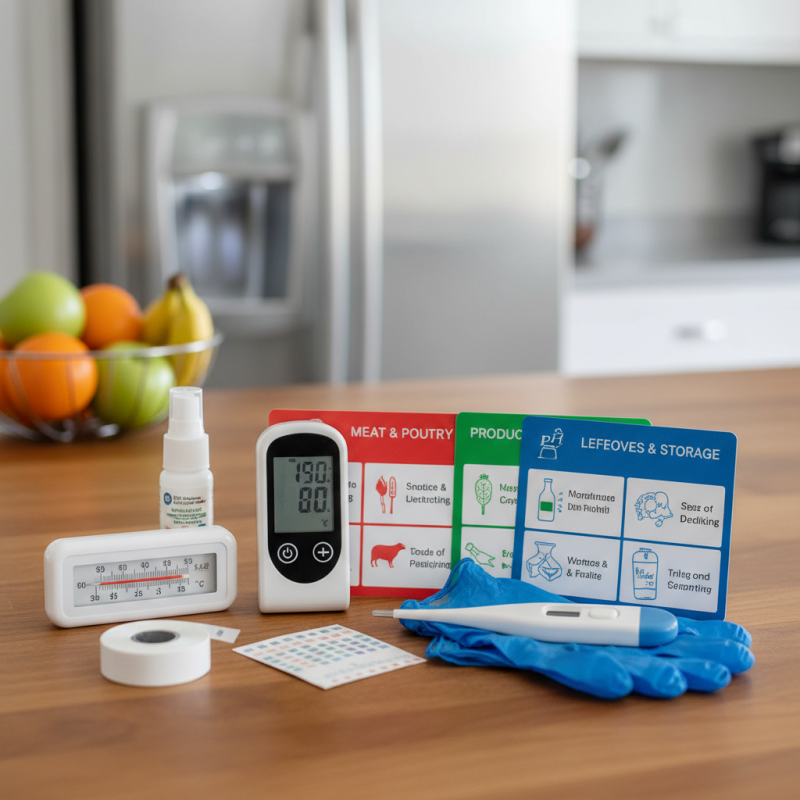
In today's world, where foodborne illnesses are prevalent, having the right tools is essential. Food Safety Kits typically include thermometers, testing strips, and storage guidelines. Yet, many people ignore these potential aids while cooking. Proper food handling often gets lost in the rush of daily meals.
Moreover, the availability of these kits in various forms can lead to confusion. Some may believe all kits are the same, which is not true. Not all kits cater to specific needs. Making informed choices is necessary. Keeping your family safe should be a priority, yet many may bypass this crucial step in kitchen preparation. A little effort can significantly reduce risks associated with food safety.
Why Food Safety Kits Are Essential for Home Use
Food safety kits are essential for every home. They help families avoid foodborne illnesses. According to a report from the CDC, about 48 million people get sick from food each year. This highlights the importance of being proactive. With the right kit, you can test food temperatures and check for contamination quickly.
One common item in these kits is a meat thermometer. Proper cooking can reduce harmful bacteria by 99%. A simple check can save lives. However, many people don’t regularly use thermometers. This oversight could lead to undercooked food, causing illness. Additionally, testing food for allergens is crucial. The FDA states that 32 million Americans have food allergies. A kit can help ensure that meals are safe for everyone.
Storage is another concern. Many families fail to follow proper food storage guidelines. Bacteria can grow in improperly stored food, leading to serious health issues. Regularly checking expiration dates and storage temperatures can mitigate this risk. Yet, it’s easy to forget. A food safety kit serves as a reminder and an essential tool to make safety a priority in the kitchen.
Best Food Safety Kits for Home Use
Key Features to Look for in a Home Food Safety Kit
When choosing a home food safety kit, consider some key features. First, a reliable thermometer is essential. It should measure various temperatures accurately. Look for models that offer quick readings. Ensuring food is cooked to safe temperatures is crucial in preventing foodborne illnesses.
Another important feature is the presence of sanitizing tools. These tools help reduce harmful bacteria on surfaces. A good kit should include sanitizing wipes or sprays. Check that these are effective and safe for food contact surfaces.
Lastly, consider the educational materials included. Instructions on proper food handling are vital. Many kits offer guides or charts. They can assist you in understanding safe food practices. Reflect on your current knowledge. This will help you identify gaps and areas for improvement. Food safety is not just about having the right tools, but also knowing how to use them effectively.
Top Recommended Food Safety Kits for Home Use
When it comes to food safety at home, having the right tools is essential. A good food safety kit often includes thermometers, sanitizers, and testing strips. Each item plays a unique role in ensuring the food you prepare is safe to consume. For example, thermometers help you check if your meat is cooked to the right temperature. It's surprising how many people skip this step.
Sanitizers are equally vital. They help in cleaning surfaces where food is prepared. It’s easy to overlook them, especially in a busy kitchen.
Testing strips for water quality are another useful addition. Not everyone checks their water, yet it can greatly affect food safety. It's a small detail that can lead to larger issues if ignored.
By investing in a food safety kit, you empower yourself to prevent foodborne illnesses. Regularly using these tools can seem tedious, but the benefits are undeniable. Make it a habit to use them consistently. This can help you become more mindful about your food preparation practices.
How to Properly Use Food Safety Kits in Your Kitchen
Using food safety kits in your kitchen can significantly reduce the risk of foodborne illnesses. These kits typically include essential tools to ensure proper food handling. Start by checking the contents of your kit. Common items include thermometers, pH strips, and sanitizing wipes. Each tool has a specific purpose. Understanding how to use them is key.
When cooking, always measure food temperatures. Use a thermometer to check meats and poultry. Insert it into the thickest part for an accurate reading. This simple step can prevent undercooked meals. Using pH strips can help assess food acidity. Keeping a balanced pH is vital, especially for canning, as it can prevent toxin growth.
Don’t overlook the importance of cleanliness in food safety. Wipe down surfaces regularly with sanitizing wipes. Always wash your hands before and after food preparation. Even a small lapse in hygiene can lead to contamination. Reflect on your habits; are you overlooking these basic steps? Employing these tools correctly can make your kitchen a safer place for all.
Tips for Maintaining and Storing Your Food Safety Kit
Maintaining and storing your food safety kit is crucial for effective home use. Regular checks ensure that nothing is expired. This includes checking thermometers and any other tools. Food safety supplies should be kept in a cool, dry place. Humidity can damage ingredients and tools alike.
Tips for your kit:
- Always keep a record of purchase dates. This helps track expiration and usage.
- Label items clearly. It saves time and confusion during emergencies.
- Remember, it’s fine to replace items as needed, even if they are still sealed. Freshness matters.
Review your kit at least once every month. Make this a habit. Ensure all items are functioning properly. Consider adding a checklist for quick reference. This could help during moments of stress. Sometimes, people forget about small items that can make a big difference. Reflect on what works best for you and adjust as needed.
What are the Best Food Safety Kits for Home Use? - Tips for Maintaining and Storing Your Food Safety Kit
| Food Safety Kit Item | Purpose | Storage Tips | Maintenance Tips |
| Digital Food Thermometer | Measure internal temperatures of foods | Store in a dry, cool place away from moisture | Calibrate regularly for accurate readings |
| Food Safety Gloves | Prevent cross-contamination | Keep in a clean, enclosed container | Replace damaged gloves immediately |
| Food Storage Bags | Store perishable items safely | Seal tightly and store in a cool place | Check for leaks before use |
| Food Safety Guidelines Booklet | Provide general food safety tips | Keep in an easily accessible location | Update with the latest information as needed |
| Temperature Chart | Reference for safe cooking temperatures | Display on the fridge for easy access | Review and refresh periodically |
